curried squash and red lentil soup

Do you remember a few weeks ago when I told you you’d thank me for sharing a soup recipe?  Well if it wasn’t already, it definitely is soup weather now and I just can’t help myself– I haven’t wanted to make anything but soup lately!  This time it involves butternut squash, red lentils, ginger, and curry.

The ginger adds warmth to the soup and the lentils make it hardy so that it can be the main course and not just a starter.  Butternut squash is just starting to show up at farmer’s markets in these parts so when I saw it a few weeks back I had to pick some up and do something with it.  The soup is already vegetarian but could easily be made vegan with the omission of the butter.  I personally think that cooking the onions in olive oil and butter is luxurious but it would certainly still work without it.

Curried-Squash and Red-Lentil Soup (found at www.epicurious.com)

  • 3 tablespoons vegetable oil
  • 2 tablespoons unsalted butter
  • 1 1/2 pound butternut squash, peeled and cut into 1/2-inch pieces
  • 1 large onion, chopped
  • 1 carrot, chopped
  • 1 celery rib, chopped
  • 2 garlic cloves, minced
  • 2 tablespoons minced peeled ginger
  • 1 tablespoon curry powder (preferably Madras)
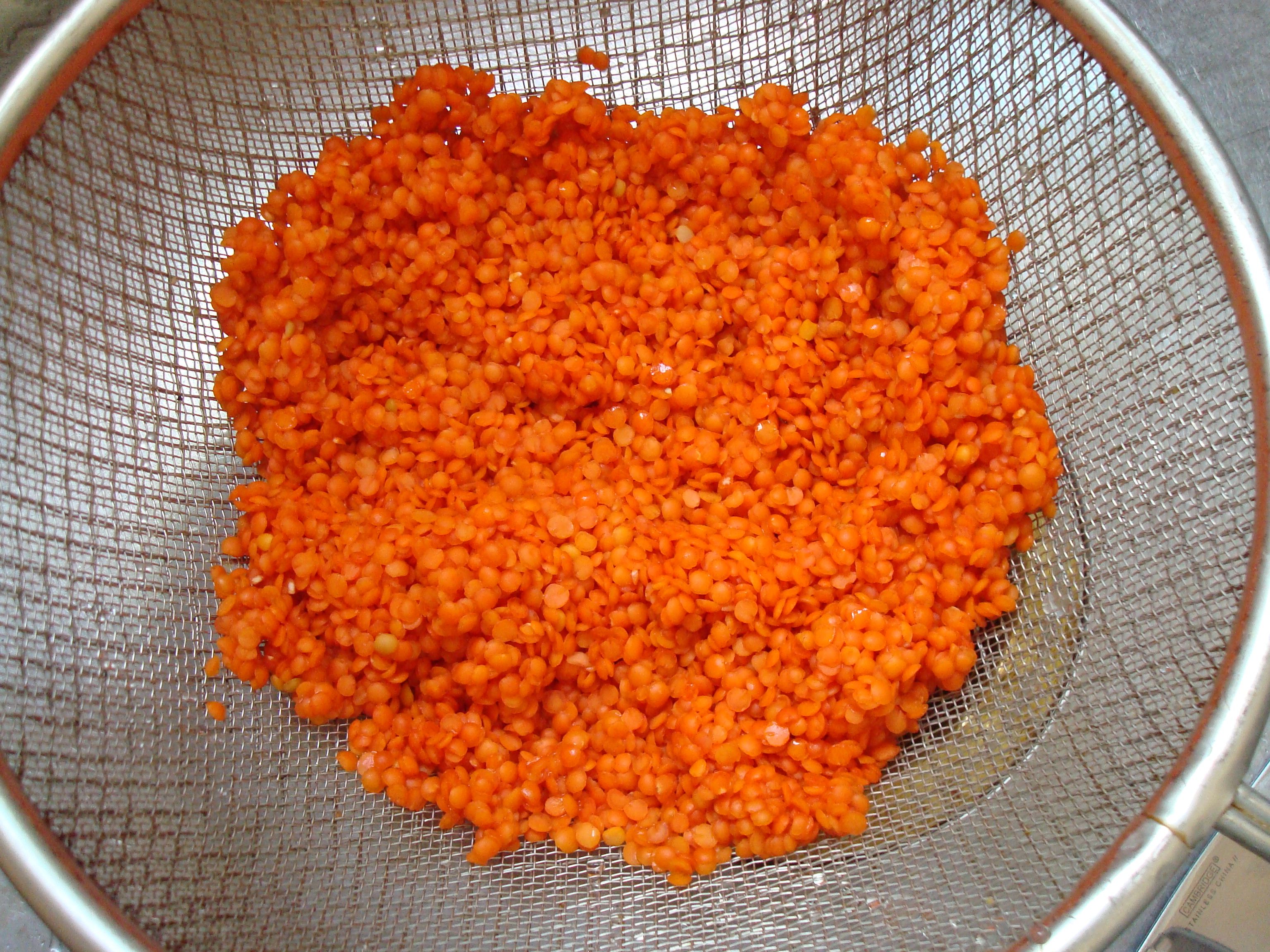
  • 1 cup red lentils, picked over and rinsed
  • 2 quarts water
  • 1 teaspoon fresh lemon juice, or to taste

Heat oil with butter in a large heavy pot over medium heat until foam subsides, then cook squash, onion, carrot, celery, garlic, ginger, and 1 teaspoon salt, stirring occasionally, until vegetables are softened and beginning to brown, 15 to 20 minutes.

Stir in curry powder and 1/4 teaspoon pepper and cook, stirring frequently, 2 minutes.

Add lentils and water and simmer, covered, until lentils are tender, 25 to 40 minutes. Stir in lemon juice and season with salt and pepper.

sage advice: make this pumpkin bread now

I know I’ve made pumpkin bread for you before but I promise you there is room in your recipe book for this version too.  The difference here is I left out chocolate chips and added sage.  The addition of sage made my kitchen smell like Thanksgiving which was an added bonus.

The bread is moist and sweet but the sage gives it a hint of a savory vibe, which in this case is a good thing.  The recipe was meant to be baked into small loaves so that you can have one for yourself and give the rest away to friends.  What lucky friends!

Pumpkin, Sage, and Browned Butter Quick Breads (from “Martha Stewart Living” magazine, also found at www.marthastewart.com)

  • 6 ounces (1 1/2 sticks) unsalted butter, plus more for pans
  • 1/4 cup fresh sage, cut into thin strips, plus more, whole, for garnish
  • 1 2/3 cups all-purpose flour, plus more for pans
  • 2 teaspoons baking powder
  • 1/2 teaspoon ground cinnamon
  • 1/4 teaspoon freshly grated nutmeg
  • 1/8 teaspoon ground cloves
  • 1 teaspoon salt
  • 1 cup solid-pack pumpkin (from one 15-ounce can
  • 1 cup packed light-brown sugar
  • 2 large eggs

Preheat oven to 350 degrees. Butter and flour eight 2 1/2-by-4-inch loaf pans. (The smallest pans I had were 3 1/4-by-5 3/4-inch loaf pans so I buttered and floured four of them and they worked just fine.) Melt butter in a medium saucepan over medium-low heat. Add sage strips, and cook until butter turns golden brown, 5 to 8 minutes. Transfer mixture to a bowl, and let cool slightly.

Meanwhile, whisk together flour, baking powder, cinnamon, nutmeg, cloves, and salt.

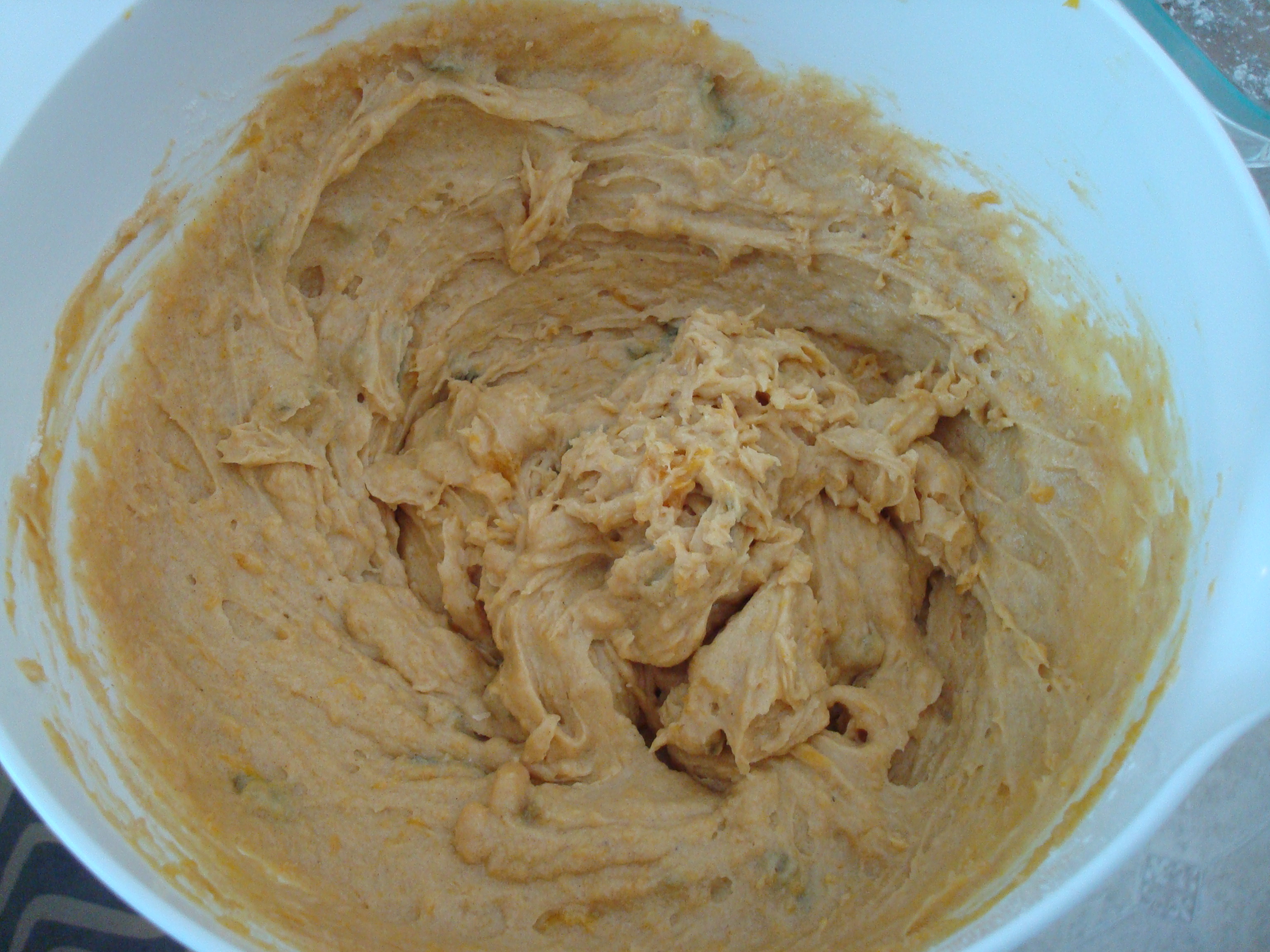
Whisk together pumpkin, sugar, eggs, and browned butter with sage. Add flour mixture, and whisk until incorporated. Divide mixture evenly among 8 pans. Smooth tops gently using an offset spatula.

Place pans on a rimmed baking sheet, and bake until a tester inserted into centers comes out clean, about 30 minutes. Transfer pans to a wire rack, and let cool for 15 minutes. Invert pans to remove breads, transfer to wire rack, top sides up, and let cool completely. Garnish with whole sage leaves before serving.

just beet it

I’m ashamed to say that I once shied away from beets.  Their strange texture, earthy smell, and vibrant color used to totally freak me out.  I’m very glad to say I got over that and realized how wonderful they are and now grate them raw into salads and juice them on a regular basis.  A coworker of mine makes the most excellent pickled beets that someday I plan to learn how to replicate.  But today we roast them.

A friend of mine teases me because I like everything roasted.  Almonds, flax seeds, sweet potatoes, garlic.  The list goes on.  So when I found a recipe for roasted beet and potato borscht I was totally intrigued.  Borscht is a beet-based soup and it has been something I have always been curious about but never wanted to try because I wasn’t sure I could eat a whole bowl of soup dedicated to the boldly-colored, earthy-smelling vegetable.  If the beet were first roasted, however, I think it could be a thing of beauty.

The recipe couldn’t be simpler: you peel and chop up some beets and potatoes and throw them in with chopped shallots (I didn’t have any on hand so used a yellow onion which worked out just fine) into a roasting pan, toss with olive oil, salt, and freshly ground black pepper and then add a couple of twigs of thyme and roast them all in the oven for about 45 minutes.

Once the roasting is done, discard the thyme, and add the vegetables to a large pot with 5 cups of chicken broth or water and bring to a simmer.  Then you mash the vegetables with the back of a wooden spoon or potato masher or use an immersion blender and voila.  Add a splash of red wine vinegar and top with sour cream and scallions or parsley if you so desire.  I skipped the toppings and it was delicious.  Roasting is the way forward.

Roasted Beet and Potato Borscht (from Everyday Food magazine, also found at www.marthastewart.com)

  • 2 pounds red beets, scrubbed, peeled, and diced medium
  • 1 pound russet potatoes, peeled and diced medium
  • 2 shallots, coarsely chopped
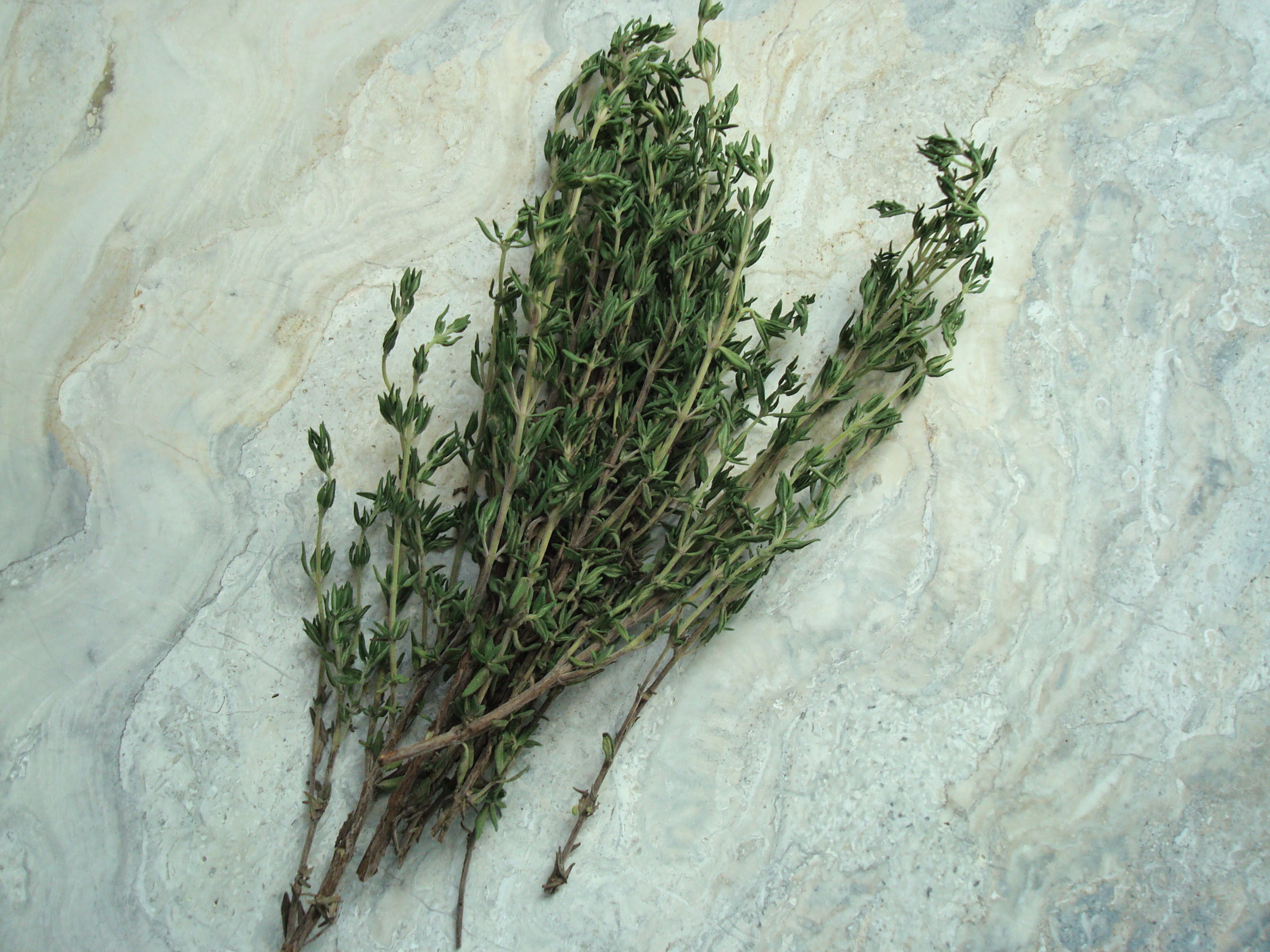
  • 3 to 5 sprigs thyme
  • 2 tablespoons extra-virgin olive oil
  • Coarse salt and ground pepper
  • 5 cups low-sodium chicken broth or water
  • 1 tablespoon red-wine vinegar
  • Sour cream, (optional)
  • Chopped fresh parsley (optional)
  • Thinly sliced scallion greens (optional)

Preheat oven to 400 degrees. In a roasting pan or rimmed baking sheet, toss together beets, potatoes, shallots, thyme, and olive oil; season with salt and pepper. Arrange in a single layer and roast until beets and potatoes are cooked through, about 45 minutes.

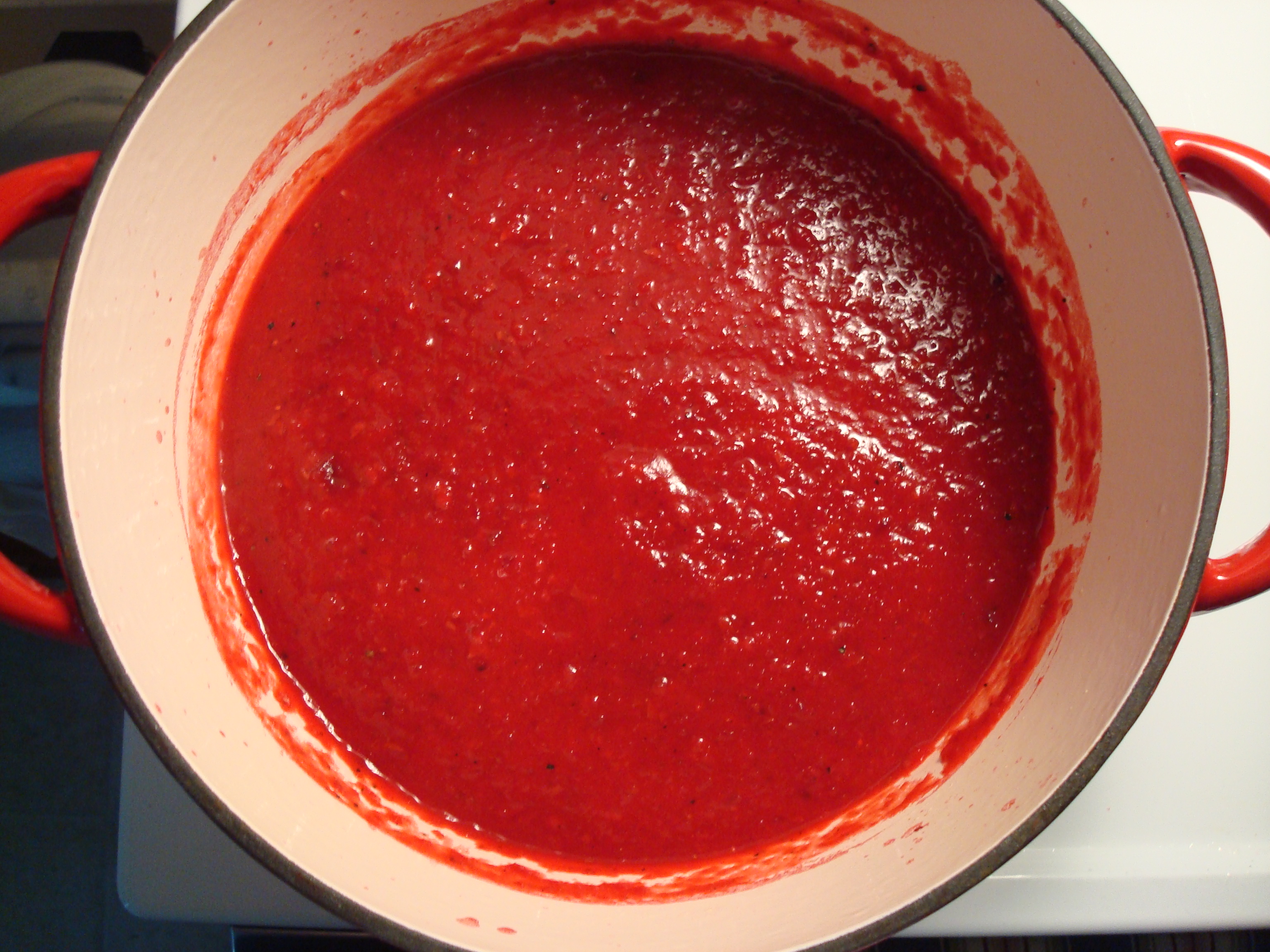
Discard thyme. Add vegetables to a medium pot, along with broth. Bring to a simmer over medium-high. With a potato masher or back of a wooden spoon, mash some vegetables until soup is thick and chunky. (I made quick work of it by using my immersion blender.)  Stir in vinegar and season to taste with salt and pepper. To serve, top with sour cream, parsley, and scallion greens, if desired.

cherry rhubarb pie with old fashioned crust

That I love baking is no secret but what I most love to bake is pie.  Any kind of pie: strawberry rhubarb, apple with cheddar cheese crust, chess, hand pies, even peach pie with gluten-free crust.  I love that there are now blogs dedicated solely to pie and bakeries that make nothing but, there was even a whole week dedicated to the subject on NPR.

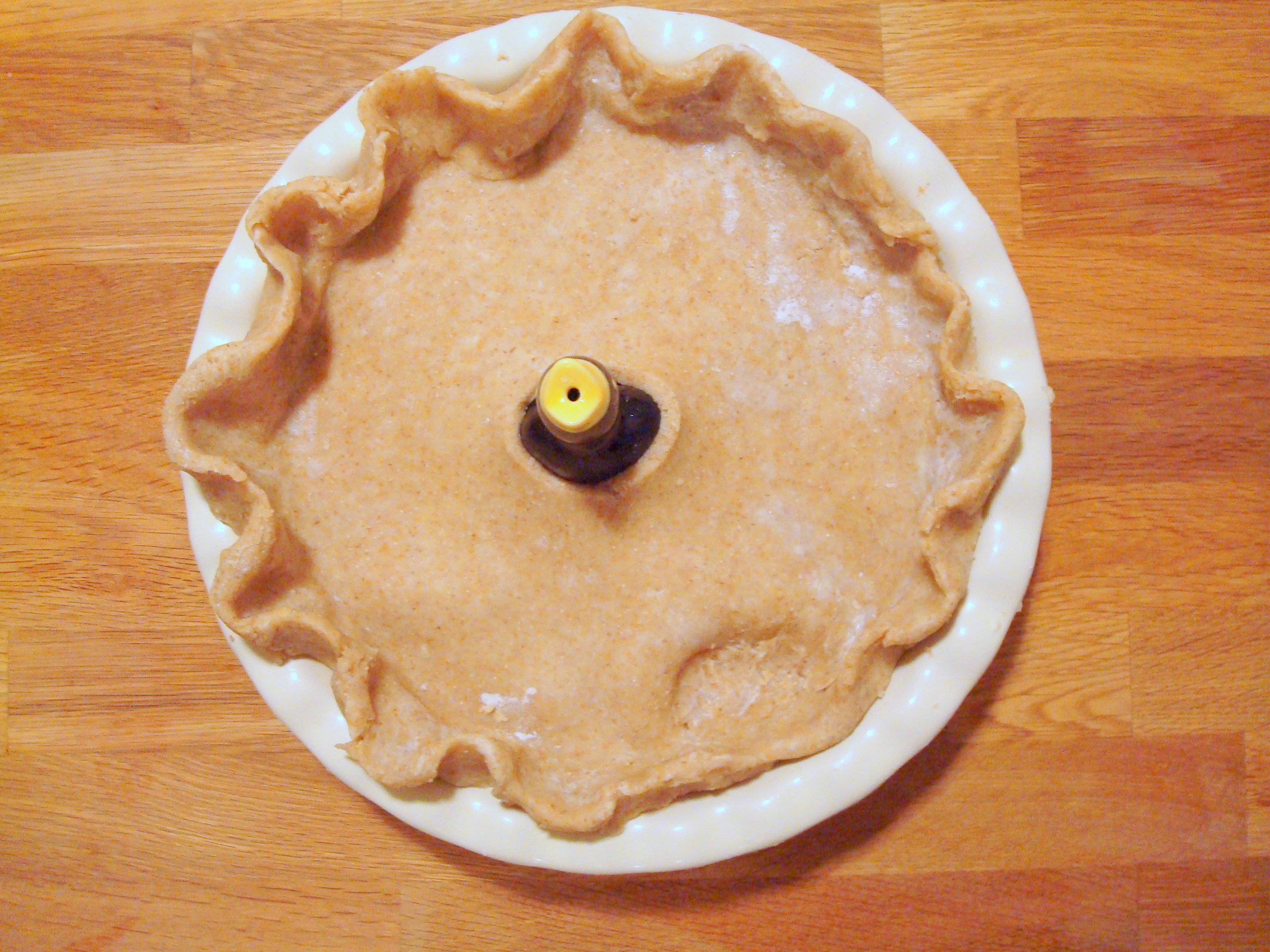
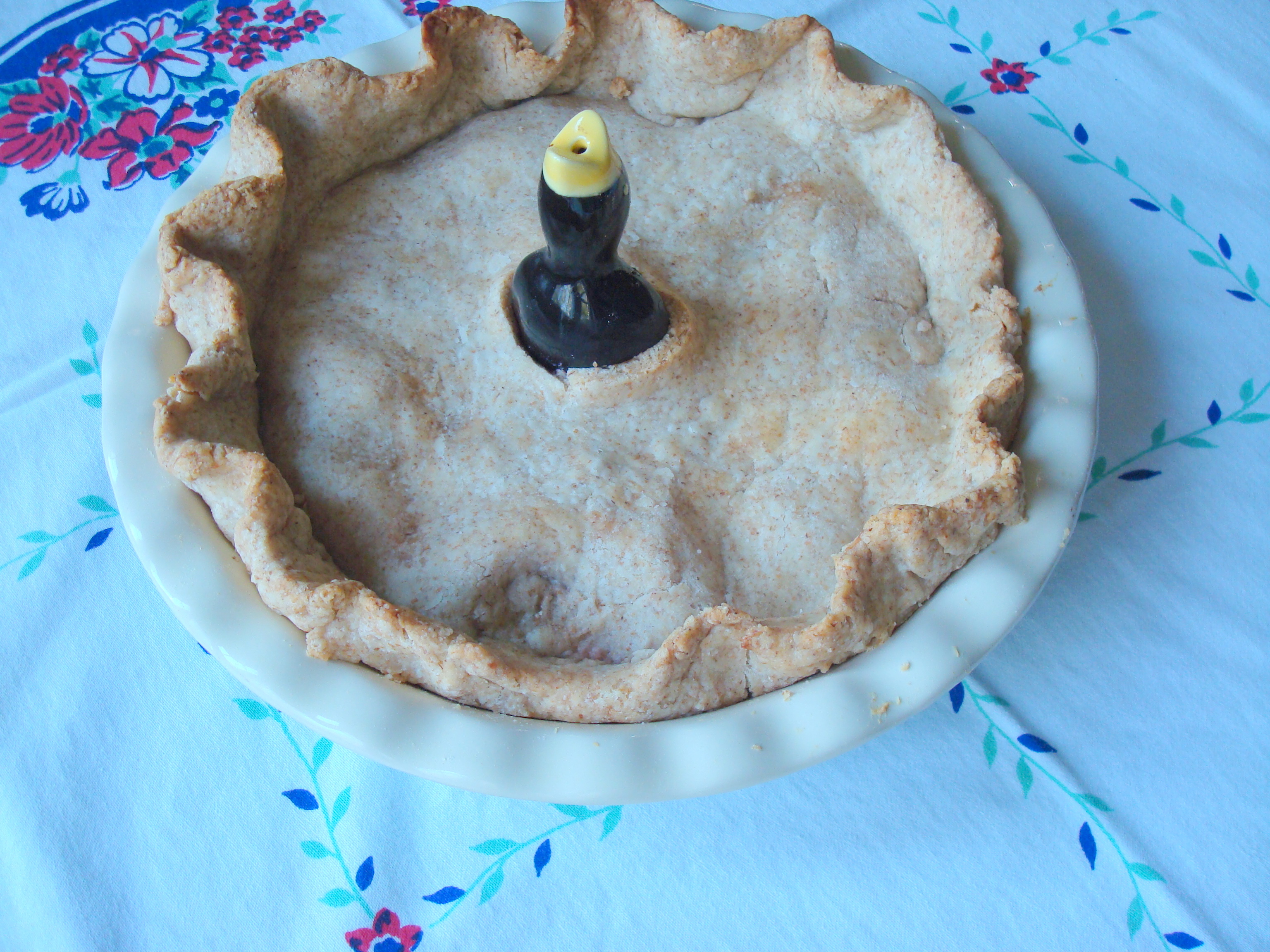
There were two things I had always wanted to try with pie but hadn’t up until last week and that was to make crust the old-fashioned way, with lard, and secondly to use a pie bird as the venting method.

Lard is rendered pork fat so is obviously out for vegetarians and vegans and has also gotten a bad wrap for being high in fat, but it turns out it might not be as bad as once was thought.  It actually is lower in saturated fat than butter.  Not that I’m throwing the baby out with the bath water on butter anytime soon but lard might have its place in modern cooking too.  It was easy to find a tub of it at my food co-op and was very easy to work with making the dough.  I will for sure experiment with it more in the future.  The pie bird was cute and also easy to work with but I will likely go back to my mom’s method of cutting the initial of the pie fruit with a butter knife into the top crust.  It’s more nostalgic for me than the pie bird even though they’ve been around for ages.

The filling for this pie consisted of what I had on hand in my freezer which happened to be cherries and rhubarb.  What a great combination!  It’s like when you make soup out of what you’ve got in your veggie drawer and it turns out unexpectedly amazing.  Love it when that happens.

“Best-Ever Pie Crust”  (from www.epicurious.com)

Yield: Makes 2 pie crusts (enough dough for 1 double-crust pie, 1 lattice-topped pie, or 2 single-crust pies)

  •   2 ½ cups unbleached all-purpose flour (I used 2 cups white flour and ½ wheat flour)
  •   1 ½ teaspoons sugar
  •   1 teaspoon salt
  •   ½ cup (1 stick) chilled unsalted butter, cut into 1/2-inch cubes
  •   ½ cup chilled lard or frozen nonhydrogenated solid vegetable shortening, cut into 1/2-inch cubes
  •   5 tablespoons (or more) ice water

Blend flour, sugar, and salt in processor. Add butter and lard; using on/off turns, blend until mixture resembles coarse meal. Transfer mixture to medium bowl. Add 5 tablespoons ice water and mix with fork until dough begins to clump together, adding more water by teaspoonfuls if dry. Gather dough together. Divide dough in half; flatten each half into disk. Wrap each disk in plastic   and refrigerate at least 1 hour. DO AHEAD Can be made 3 days ahead. Keep refrigerated. If necessary, soften slightly at room temperature before rolling out.

Cherry Rhubarb Pie

  •   2 cups chopped rhubarb (fresh or frozen)
  •   2 cups tart cherries, pitted
  •   2/3 cups sugar
  •   2 tablespoons all-purpose flour or tapioca flour
  •   Pie crust dough for 1 double-crust pie

Combine all ingredients in bowl and let sit for 15 minutes.

Preheat oven to 400 degrees F.

On a lightly floured surface, roll out one half of pie crust dough to fit into pie plate. Transfer pastry to pie plate; add filling. Roll out remaining pastry to fit top of pie. Place over filling. Trim, seal and flute edges. Cut slits in pastry.

Bake pie for 40 to 45 minutes or until crust is golden.  Cover edges with foil during the last 15 minutes of baking to prevent overbrowning if necessary.  Cool on a wire rack.

in a few days you’ll thank me

Massive apologies for the large gap between posts.  I went on vacation and severely neglected my blog along with much else in life.  It was great, but now I’m back to tell you how much I love fall.  I love it, I do.  Favorite season of the whole darn year.  And even though it was a sticky 90 degrees today by the weekend it will be in the 50’s at night and you will want soup, mark my words.
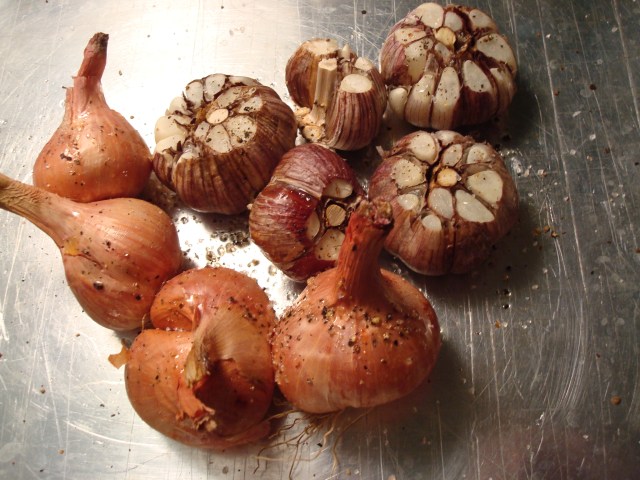
It definitely felt like fall at the farmer’s market this past weekend.  I wore jeans for the first time in ages and it was kind of gray and windy and I got there early enough to avoid crowds and really take my time perusing the seasonal wares.  Since it was feeling so much like fall I decided to pick up some standard soup ingredients: potatoes, onions, garlic.  Done and done and done.
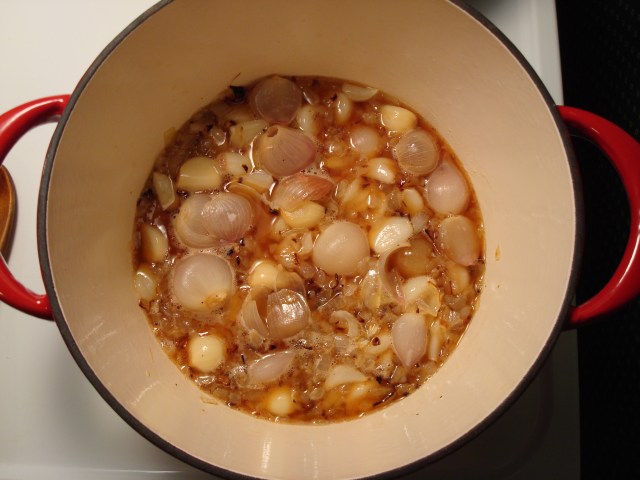
I made a beautiful soup by roasting the garlic and shallots and then sticking them in a pot with some potatoes, wine, broth, and a little fresh rosemary.  My apartment smelled amazing and the resulting soup was rich, creamy, and filling in a nice, not overly-stuffed way.  With a little fancy “ancient grain” bread I picked up at Whole Foods it fed me well all weekend.  And now hopefully it will feed you well some weekend this season!

Roasted Garlic and Shallot Potato Soup (adapted from recipe found at www.cookinglight.com)

  • 5 whole garlic heads, unpeeled
  • 3 ½ tablespoons olive oil, divided
  • 1 ¼ teaspoons salt, divided
  •  1 teaspoon freshly ground black pepper, divided
  • 10 shallots, unpeeled (about ¾ pound)
  • 2 cups coarsely chopped onion
  • 1 cup white wine
  • 3 cups chicken or vegetable broth
  • 2 cups cubed peeled baking potato (about ¾ pound); I used 2 cups unpeeled fingerling potatoes cubed and it worked just fine
  • 1 teaspoon chopped fresh rosemary (can substitute with thyme if you prefer)
  • 1 cup 2% milk

Preheat oven to 400 degrees F.

Remove white papery skins from garlic heads (do not peel or separate cloves), cut off tops, leaving root ends intact.  Place garlic in a shallow roasting pan.  Drizzle 1 tablespoon oil over garlic, sprinkle with ¼ teaspoon salt and ¼ teaspoon pepper.  Cover with foil.  Bake at 400 for 20 minutes.  Add shallots to pan.  Drizzle 1 tablespoon oil over shallots, sprinkle with ¼ teaspoon salt and ¼ teaspoon pepper.  Cover and bake for 25 minutes or until tender and browned.  Cool.  Squeeze garlic to extract pulp; peel shallots.  Discard skins.  Set garlic pulp and shallots aside.

Heat 1 ½ tablespoons oil in a Dutch oven over medium heat; add onion.  Cover and cook 15 minutes or until lightly browned, stirring occasionally.  Add garlic pulp, peeled shallots, and wine.  Reduce heat; simmer, uncovered, 5 minutes.

Stir in broth, potato, and rosemary (or thyme); bring to a boil.  Cover, reduce heat, and simmer 20 minutes or until potato is tender.  Cool slightly.  If you have an immersion blender use in Dutch oven until soup is smooth, if you do not own an immersion blender place half of potato mixture in a blender; process until smooth.  Pour pureed mixture into a large bowl.  Repeat procedure with remaining potato mixture.  If you used a blender return pureed mixture to pan.

Stir in milk, ¾ teaspoon salt, and ½ teaspoon pepper into pureed mixture.  Cook over medium heat 5 minutes or until thoroughly heated.