pumpkin parmesan biscuits

Not to get all zen on you here but there’s something very meditative about making biscuits.  The whole process is done with your hands and kind of takes you out of whatever’s going on in your life at the moment and makes you focus on forming dough out of some butter and flour and really be in the present as my yoga instructor says.

You start out by using your fingers to rub together cold chunks of butter with some flour, sugar, baking powder, salt and (in this case) parmesan cheese and nutmeg until the mixture looks like coarse crumbs.

These biscuits are a little extra-special because they involve pumpkin puree.  The pumpkin puree gets whisked together with a little heavy cream.

Then you pour the pumpkin/cream mixture over the flour/butter mixture and you work the dough with your hands until it all holds together.

Next you roll the dough out on a piece of lightly floured wax paper and use biscuit cutters (a round upside-down drinking glass also works in a pinch) to cut the dough.
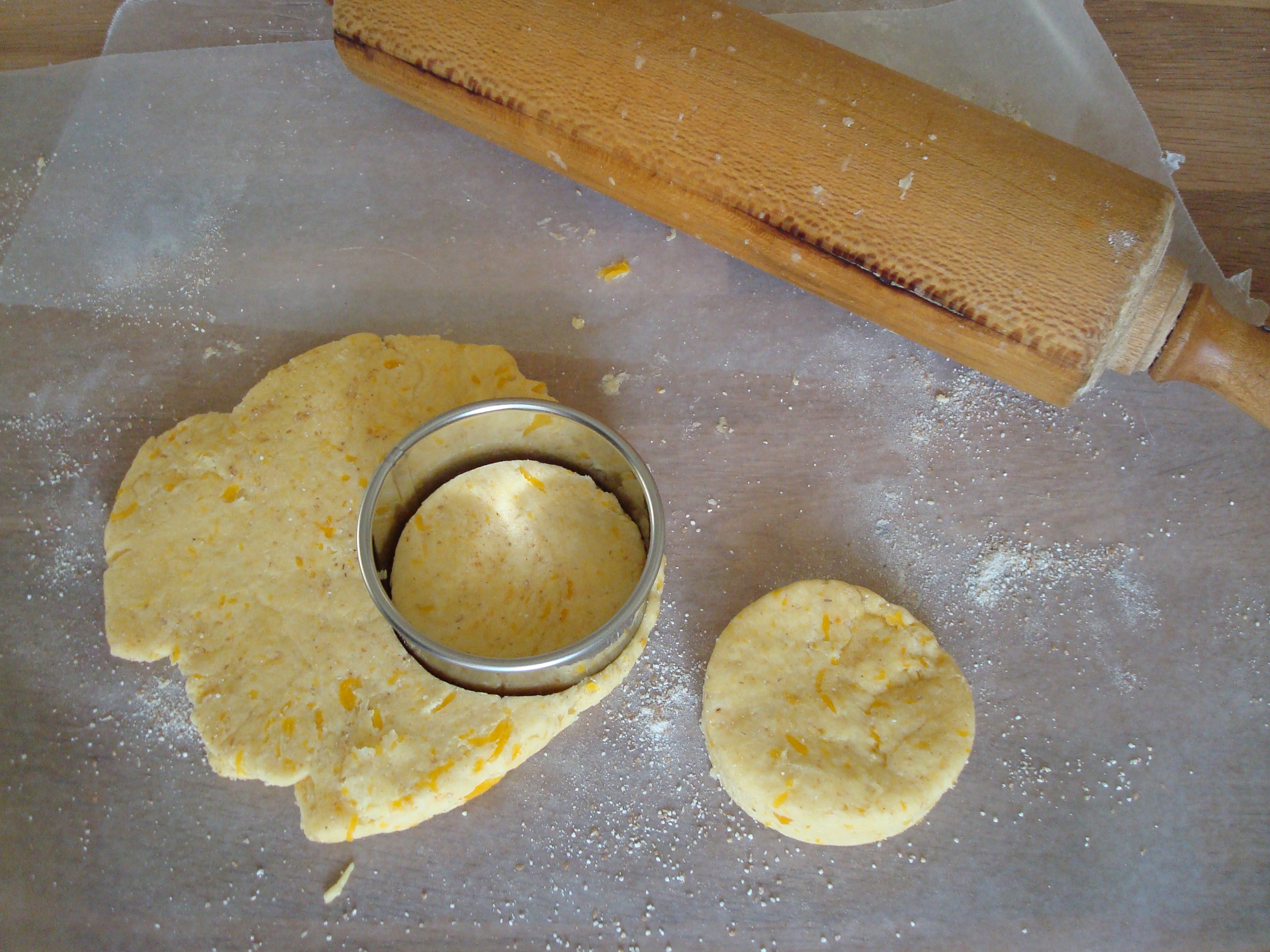
Place the dough rounds on a parchment paper-lined baking sheet about two inches apart and bake until golden for about 15 to 20 minutes.

The results are light and crumbly and comforting: all the things biscuits should be.

Pumpkin-Parmesan Biscuits (from www.foodnetwork.com)

  • 2 cups all-purpose flour, plus more for dusting
  • 1 tablespoon baking powder
  • 1 tablespoon sugar
  • 1 teaspoon kosher salt
  • 1/4 teaspoon freshly grated nutmeg
  • 2 tablespoons finely grated parmesan cheese
  • 1 stick cold unsalted butter, diced, plus melted butter for brushing
  • 1/2 cup canned pure pumpkin
  • 1/4 cup heavy cream

Preheat the oven to 400 degrees F; line a baking sheet with parchment paper. Whisk the flour, baking powder, sugar, salt and nutmeg in a large bowl. Whisk in 1 tablespoon parmesan. Add the diced butter and work it in with your fingertips until the mixture looks like coarse crumbs. Mix the pumpkin and cream in a small bowl and pour over the flour mixture. Mix with your hands or a fork to make a soft dough.

Turn the dough out onto a lightly floured surface and roll out into a 3/4-inch-thick rectangle using a floured rolling pin. Cut out biscuits using a 2-inch-round cutter and arrange about 2 inches apart on the prepared baking sheet. Brush the tops with melted butter and sprinkle with the remaining 1 tablespoon parmesan. Bake until golden, 15 to 20 minutes. Transfer the baking sheet to a rack and let the biscuits cool slightly before serving or cool completely and freeze (see below).

Note:  Let the biscuits cool completely, then freeze in a resealable plastic bag for up to 5 days. To reheat, arrange on a baking sheet, cover with foil and bake at 350 degrees F until warmed through, about 10 minutes.

roasted maple Brussels sprouts with pancetta and chestnuts

I hope everyone had a lovely and restful Thanksgiving!  Mine was very nice, though went by far too quickly as it always does.  The good news is I will be reliving the holiday in my posts in the coming weeks as I share the recipes and pictures from my meal, starting with this dish.

I knew I wanted to incorporate chestnuts into the meal somehow, partially because I’ve always been intrigued by them and partially because I wanted to right the wrong I made several years ago when I cooked them with acorn squash but neglected to peel them before serving…  No one knew quite what to do with them but gamely attempted to crack them with their teeth and get to the meat in the center.  Oops.  This year I roasted them and then peeled them before taking any further steps.

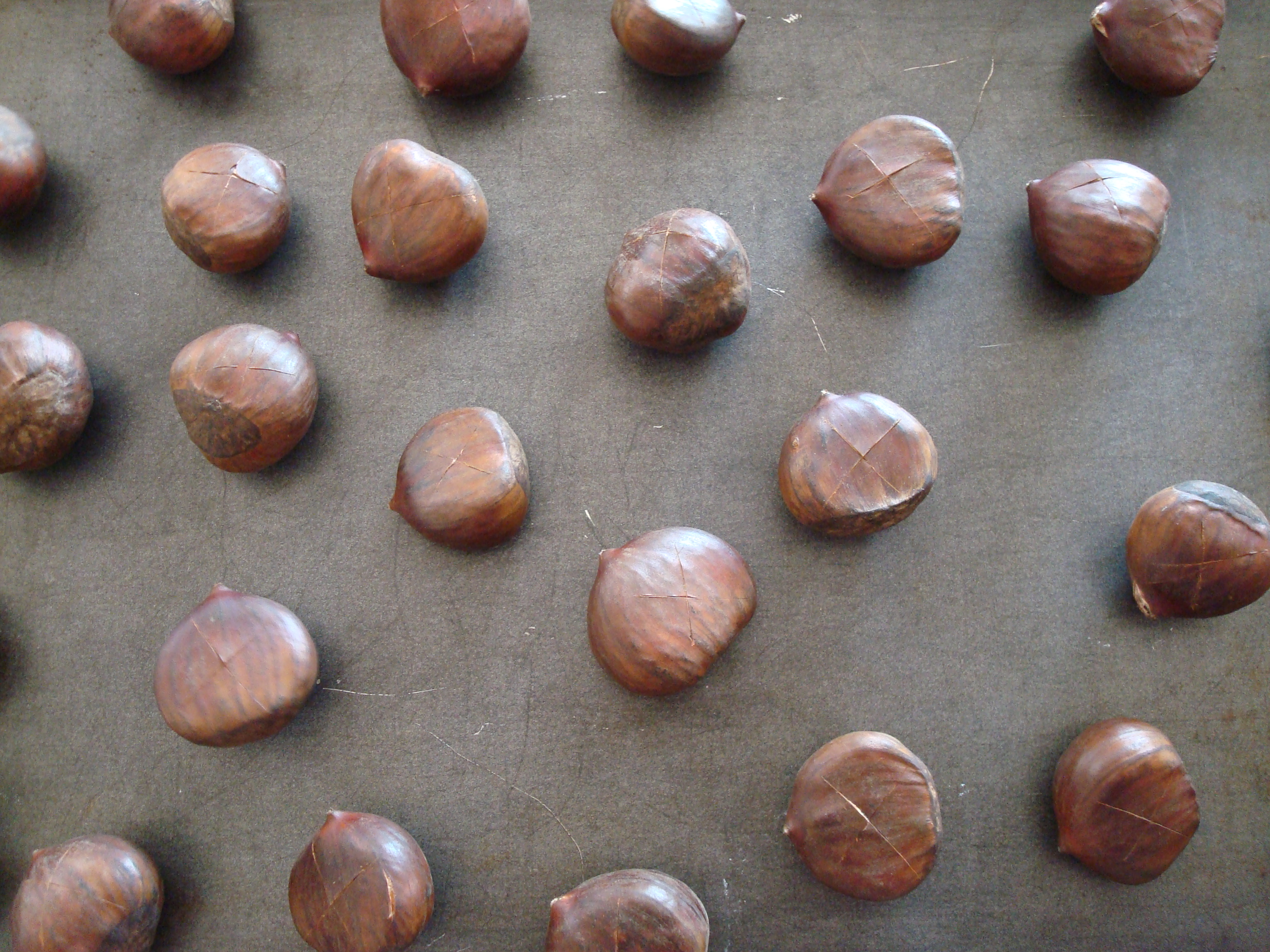
Scoring the chestnuts with an x on the flat part and then roasting dry on a baking sheet for about 15 minutes did the trick.  The shells started to peel back making it easy to get the meaty centers out.  Lesson learned.

No Thanksgiving meal is complete without Brussels sprouts, at least not at my house.  There have been a few years that I haven’t made them in favor of something other green-vegetable sidedish and there were complaints, so this year I brought a new iteration of them back to the table.

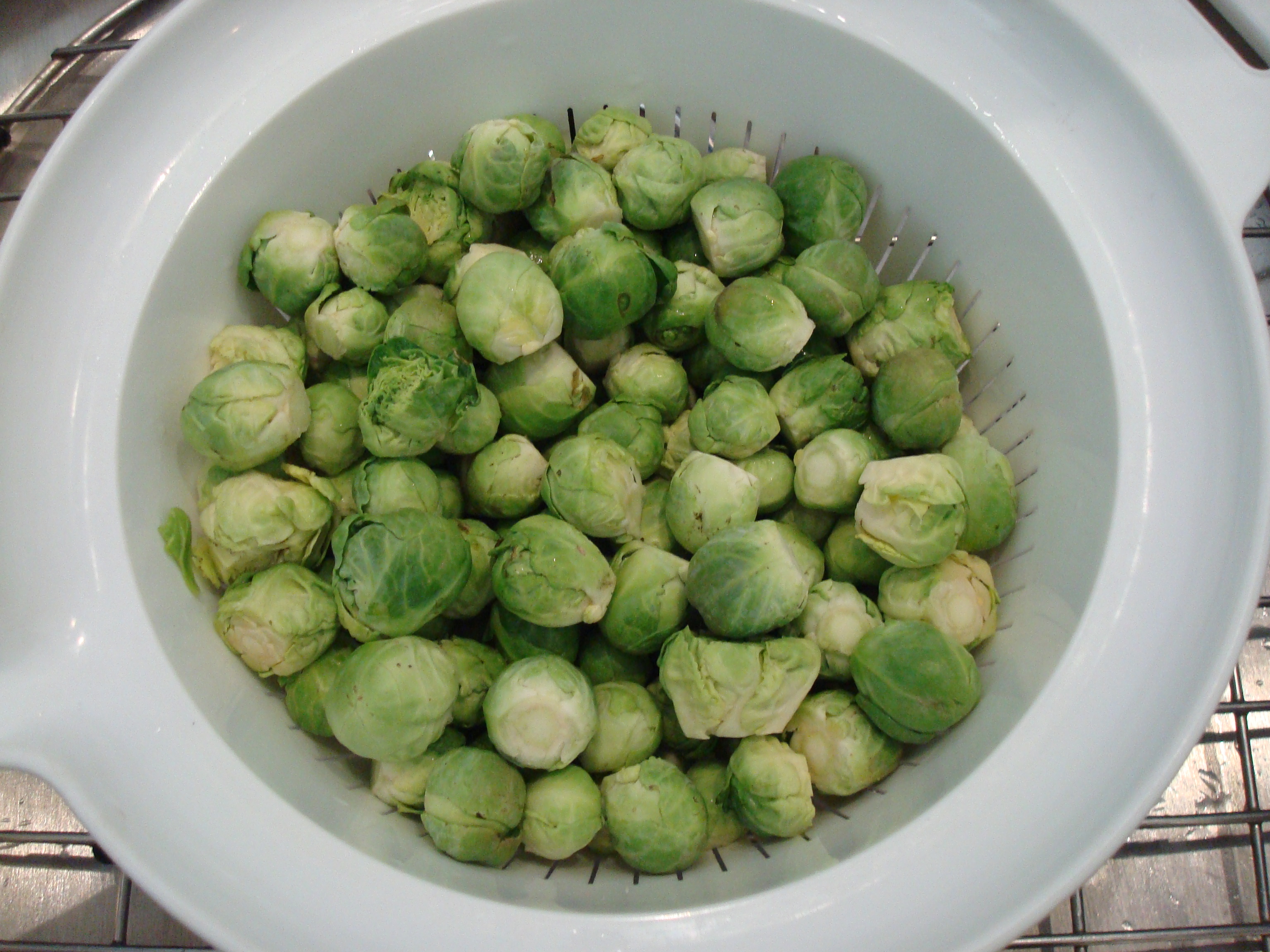
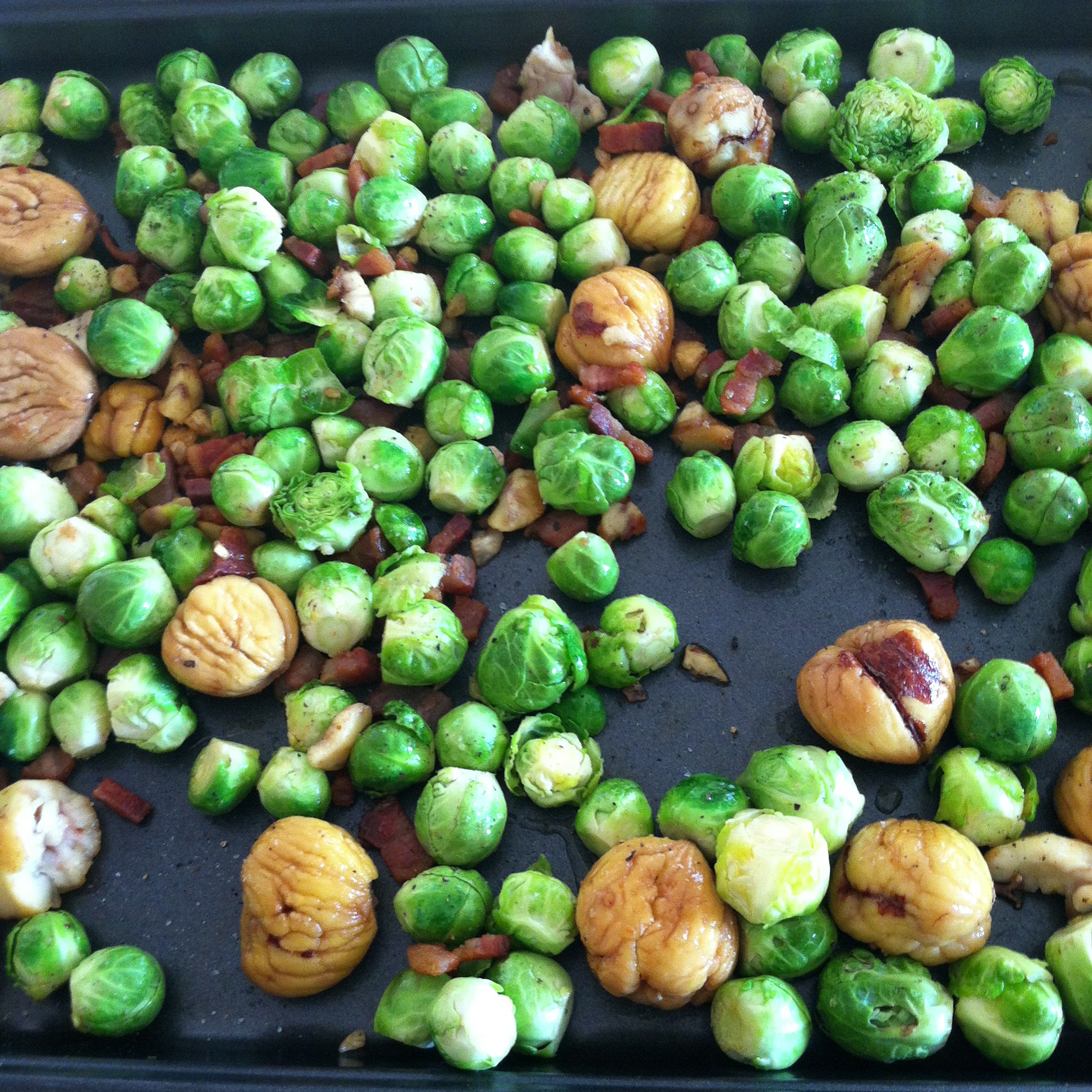
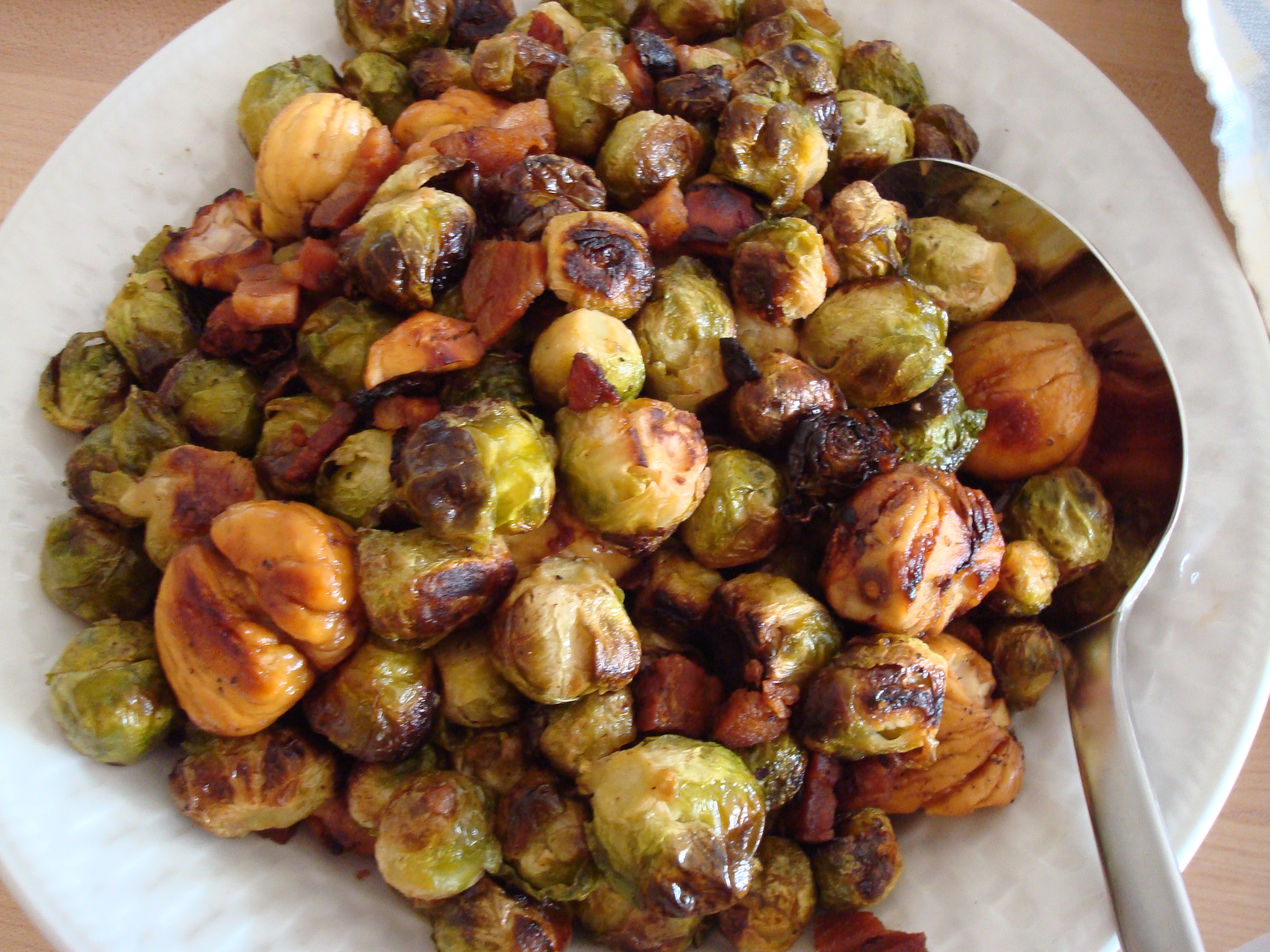
In this version, pancetta is pan-fried with a little olive oil and then tossed with the Brussels sprouts and pre-shelled chestnuts.  I added a little extra olive oil to the ordeal so that they didn’t dry out and then generously salted and peppered them and roasted them for about 20 minutes in the oven.  After they’re done roasting you toss them with a little maple syrup and serve.  They were a big hit, even with the children at the table and who ever heard of kids eating their Brussels sprouts?!

Roasted Maple Brussels Sprouts with Pancetta and Chestnuts (recipe by Laura Pensiero, found in House Beautiful magazine)

  • 4 ounces pancetta, diced
  • 1 tablespoon olive oil
  • 2 cups fresh roasted chestnuts, approximately ¾ pound in shell (substitute peeled, frozen chestnuts if desired)
  • 2 pounds Brussels sprouts, ends trimmed and halved (quartered, if large)
  • Salt and pepper
  • ¼ cup warm water
  • 2 tablespoons pure maple syrup
  • Pinch cayenne pepper

Preheat oven to 425 degrees.

Roasting removes the shell and richens the flavor of chestnuts. Using the tip of a knife, cut a small X in the flat side of their outer shell, then spread them out on a baking pan. Roast for 10 to 15 minutes; you will see the skin curling away and the chestnut taking on a golden color. Remove from oven and let cool slightly. The shells can easily be removed. Set aside the chestnuts.

Heat the olive oil in a large (approximately three- to four-quart) sauté pan or skillet over medium-high heat. Add the pancetta and cook, stirring often, until it renders its fat and is lightly browned. Add the chestnuts, toss or stir to combine, then cook for about one minute. Add the Brussels sprouts and cook, tossing or stirring, for about two minutes.

Transfer vegetables to a rimmed baking pan or roasting pan; they should spread out into one slightly overlapping layer. Season with salt and pepper and roast in the upper third of the oven, stirring once halfway through until the vegetables are golden and tender, 25 to 30 minutes. Use the tip of a sharp paring knife to test the doneness at the base of a Brussels sprout; it should insert easily.

In a small bowl or cup, stir together the water, maple syrup, and cayenne. Pour the mixture into the hot baking pan, using a wooden spoon to dissolve any browned bits. Return pan to oven and cook another five minutes. Serve hot or warm, family-style, in a festive bowl.

ten suggestions for your Thanksgiving menu

It’s hard to believe that Thanksgiving is less than a week away, and while I’m sure you all have had your menus planned for a month like I have, I thought I would offer up some suggestions in case you need a little last-minute inspiration.

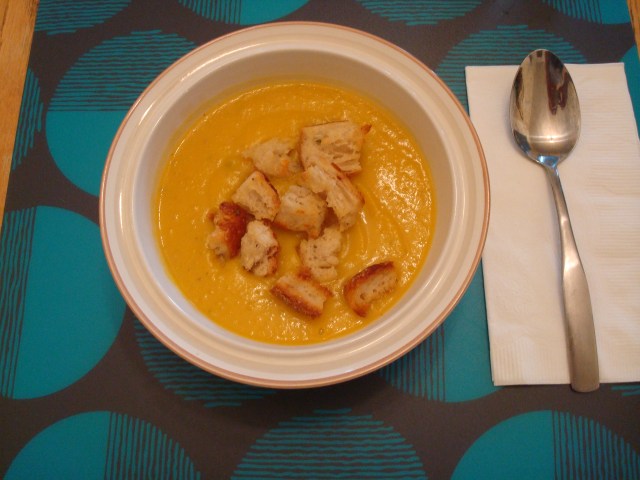
For starters, how about Butternut Squash Soup with Sage and Parmesan Croutons?  It brings a couple of my favorite Thanksgiving flavors together (sage + butternut squash) in a velvety soup that would make a great prelude to the big meal.

Rather than rolls, why not serve slices of Pumpkin, Sage, and Browned Butter Quick Bread?  As its’ name suggests, it doesn’t take long to make which will be very handy if you’ve got lots of other cooking/baking to do.  Better yet, these could be made this weekend and frozen until Thanksgiving day.

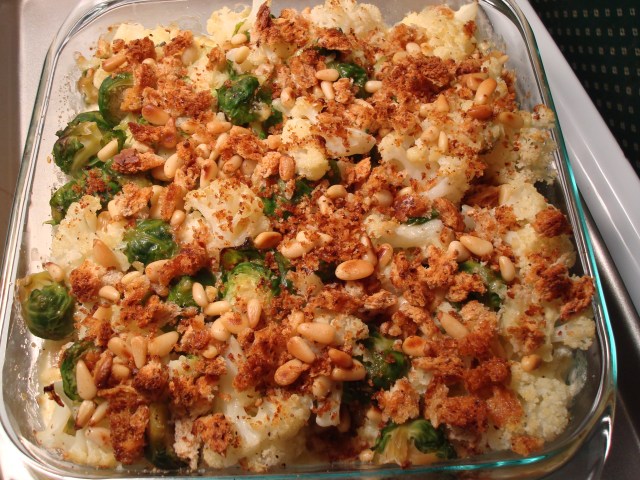
Brussels sprouts have become a staple with my family on Thanksgiving.  I’ve made them a variety of ways and one of my favorites is Cauliflower and Brussels Sprouts Gratin.  I first had a version of this at a restaurant in NYC and couldn’t stop thinking about them so sought out a recipe so that I could recreate them at home.

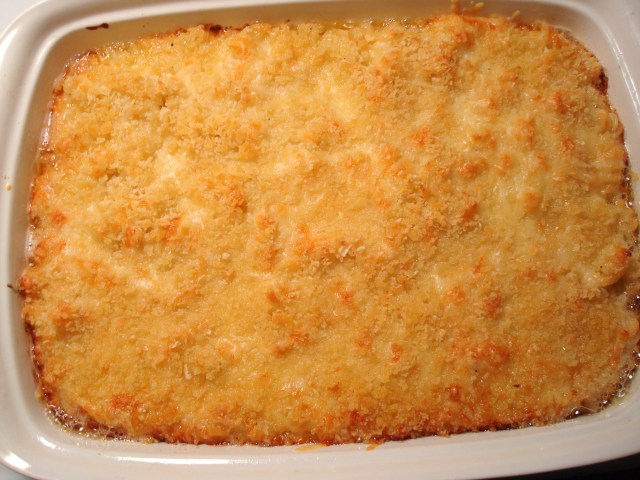
Macaroni-and-cheese was a staple of my childhood (mostly of the Kraft boxed variety) but it never made an appearance on T-day.  A friend I used to work with in Detroit whose family was from the south told me they always had it as part of their meal so I  have since incorporated it on occasion, when I felt we could stand a few more carbs.  DuMac and Cheese is the best mac and cheese ever.  And if you wanted to add some bacon/pancetta/salt pork to it I would whole-heartedly support that decision.  And if you also wanted to stick it under the broiler for a few seconds to get a nice browned top on it I would say you and I should be friends.

In case we haven’t used enough cheese yet I would also like to recommend Gratineed Acorn Squash.  It’s simple to make which will free up your time to work on more high-maintenance side dishes.  Also, its delicious.

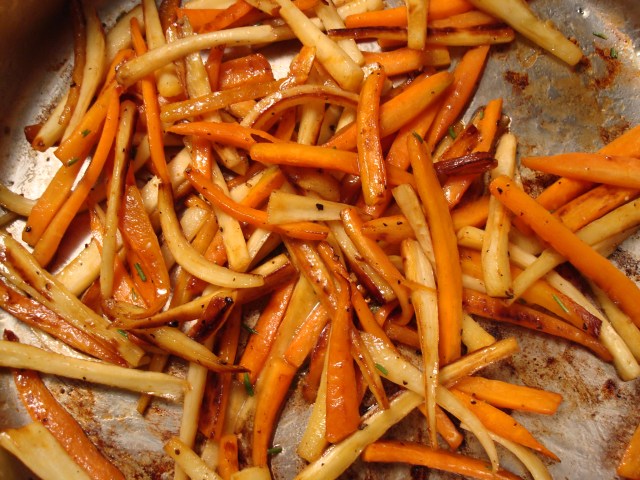
Another great side dish is Sauteed Parsnips and Carrots with Honey and Rosemary.  Parsnips and carrots go together like peas and, well, carrots.  Actually they go together better than that, especially when partnered with honey and rosemary.  Mmm.  Starting to regret not including this one in my meal this year…

And now for everyone’s favorite side dish… Chestnut, Prune, and Pancetta Stuffing.  This stuffing has something for everyone: a little sweet with the prunes, salty pancetta, tart sourdough bread, hearty chestnuts, and then all of the usual stuffing ingredients that add lots of flavor– celery, onion, sage, chicken stock.

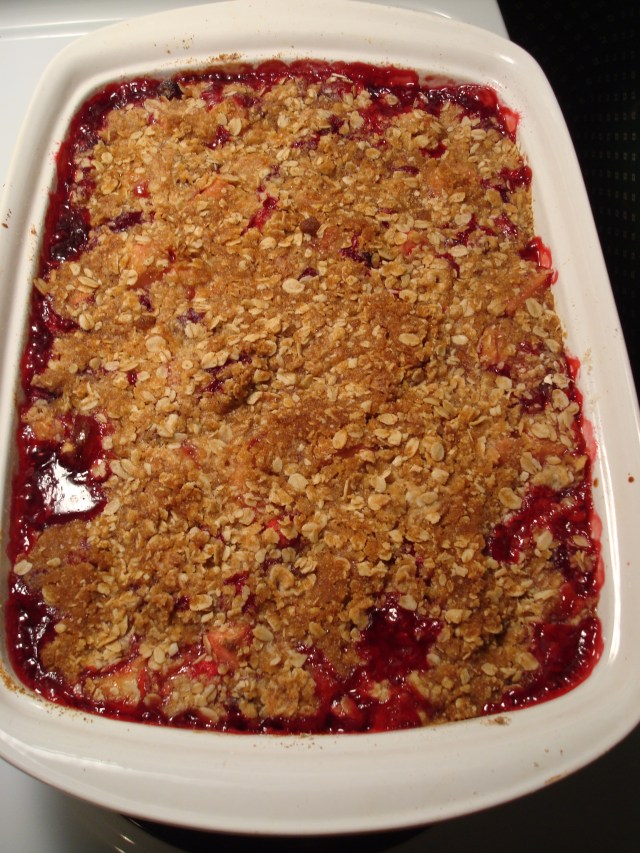
Moving on to desserts, one that will be part of my meal this year is Cranberry Apple Crisp with Oatmeal Streusel Topping.  I love this crisp because it is on the light side which is welcome after a heavy meal and also it is not overly sweet.  This is going to be great with the mascarpone gelato I’m making tomorrow.

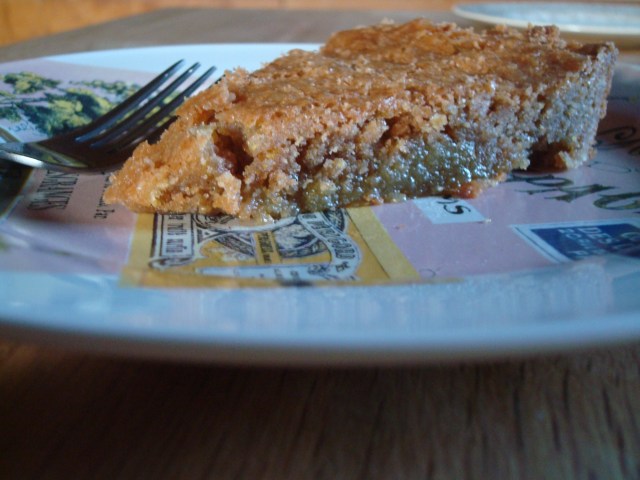
This Chess Tart will blow your guests’ minds.  Chess pies are another southern gem and are full of butter and sugary goodness and the vanilla wafer crust on this one is out-of-this-world.  A real charmer.

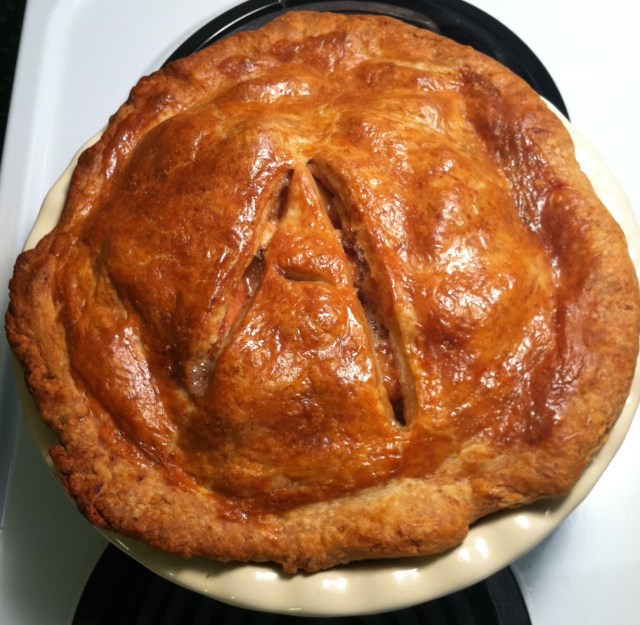
Finally, what would Thanksgiving be without apple pie?  In Wisconsin they put a slice of cheddar cheese on top of slices of apple pie which I’m not super into, however, Apple Pie with Cheddar Crust is something I can totally get behind because it is crazy delicious.  Trust.

Whatever you decide to make for the big day (aka my most favorite holiday since I stopped receiving toys for Christmas) I hope it is a great one filled with lots of friends and family and tasty food.

butternut squash and chickpea stew

If you are entertaining guests this holiday season who have food allergies or other dietary restrictions this stew could be a great thing to whip up to accommodate them but is also good enough for all to enjoy.  There is no wheat, dairy, or meat which seem to be the main three things that people are allergic to or just avoid altogether.  (While I respect the vegetarian diet and often choose/prepare meatless options for myself I like bacon way too much to ever give up meat.  But I digress.)

This stew starts with toasting some fragrant spices on your stove.  After they are properly toasted you grind them up in a spice mill/coffee grinder or go old-school with a mortar and pestle and smoosh them to a fine pulp using a little elbow grease.  Then you mix those spices with a little olive oil, lemon juice, cayenne pepper, and crushed garlic.  This is called Harissa and it will bring a whole lot of flavor to whatever you’ve got going on in your kitchen.

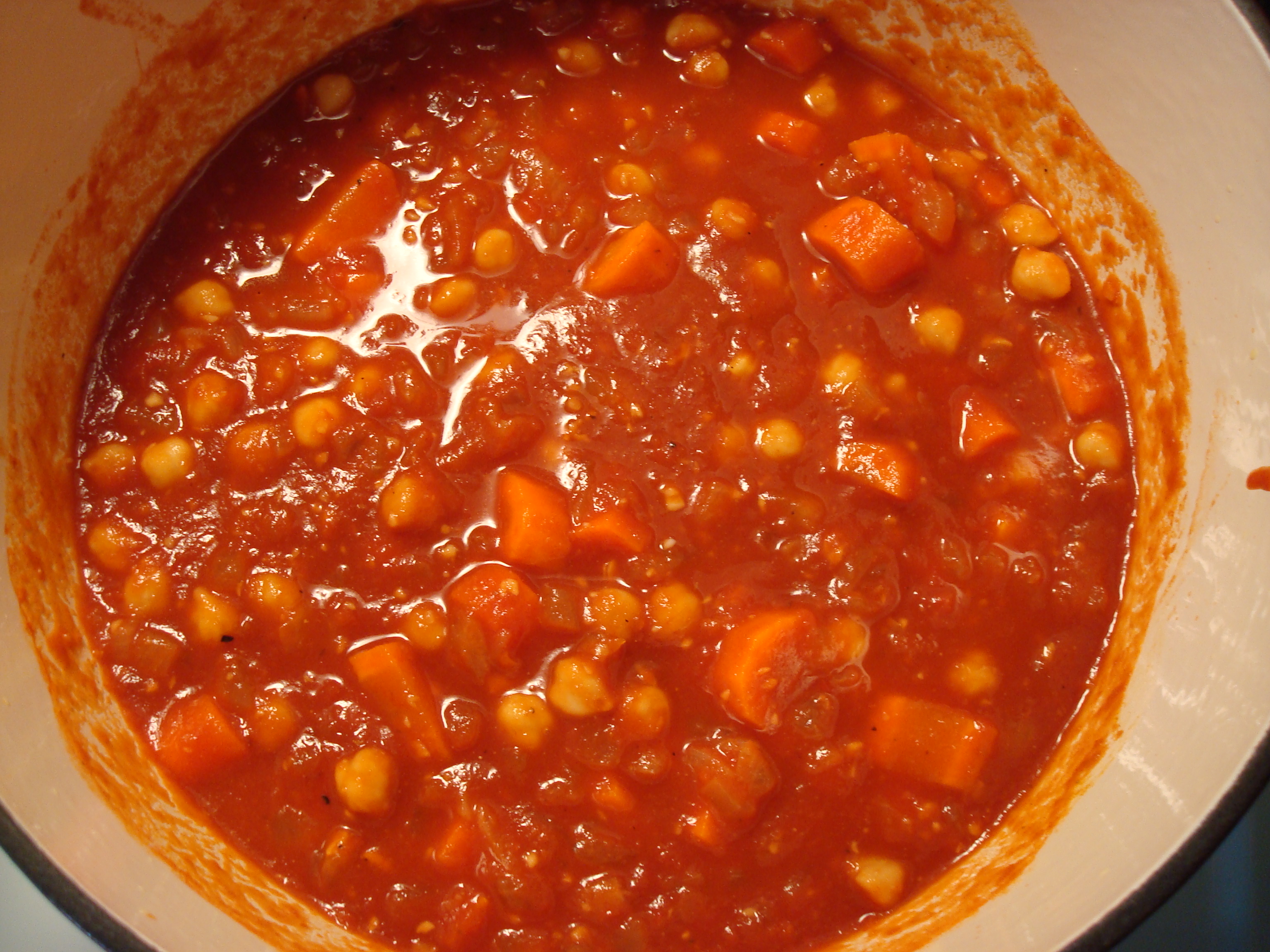
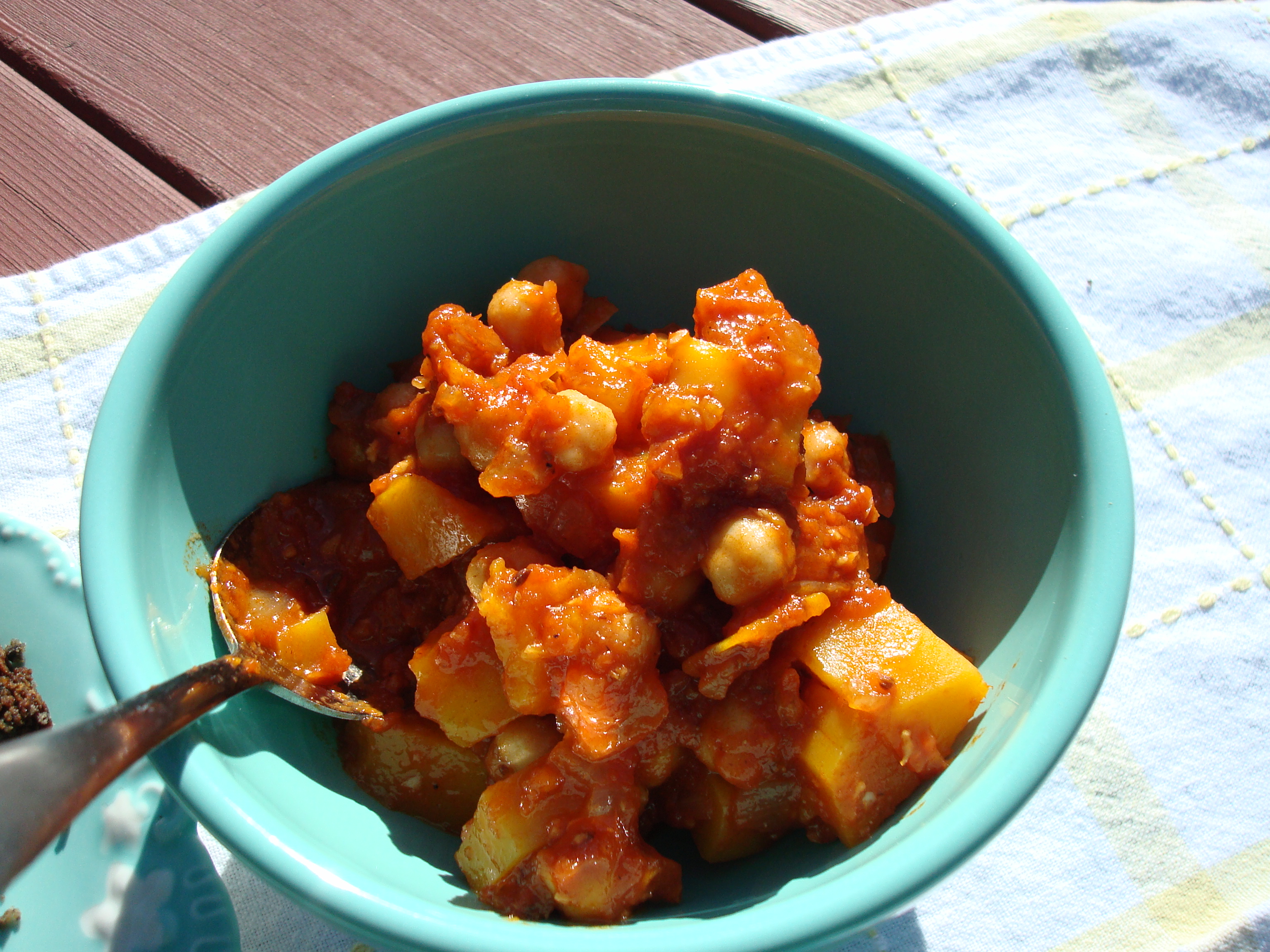
Butternut squash gets peeled and chopped into small pieces and roasted in the oven.  There are onions, more garlic, chickpeas, canned tomatoes, carrots and parsley.  They all combine together to make a great fall stew that is hearty and comforting and filling and a bit spicy.

This is total guilt-free food, as a friend of mine would say.  You can eat as much as you like and know that you are putting good stuff (mostly vegetables!) into your body.  And better yet, your gluten-free sister and your vegan cousin along your meat-loving uncle can all enjoy it.  Together.

Chickpea and Butternut Squash Stew (from www.marthastewart.com)

  • 1 medium butternut squash, cut into 1 ½-inch irregularly shaped pieces (about 6 cups)
  • 3 tablespoons extra-virgin olive oil
  • Sea salt
  • Freshly ground black pepper
  • 2 medium onions, chopped (about 2 ½ cups)
  • 8 large cloves garlic, finely chopped
  • ¼ cup finely chopped flat-leaf parsley stems
  • 1 ½ teaspoons ground cumin
  • 1 teaspoon paprika
  • 3 medium carrots, cut into ¾-inch cubes or irregular shapes
  • 2 ½ cups cooked chickpeas (either from dry beans or from two 15-ounce cans)
  • 1 can crushed tomatoes (28 ounces)
  • 4 teaspoons Harissa (see recipe below), or more to taste
  • ½ cup flat-leaf parsley leaves, roughly chopped

Preheat oven to 375 degrees. Place squash on a baking sheet lined with parchment. Drizzle with 1 ½ tablespoons olive oil and salt and pepper. Toss well and roast until golden brown, 45 to 50 minutes.

In a large skillet or pot, warm remaining 1 ½ tablespoons olive oil over medium-high heat. Add onions and a pinch each of salt and pepper. Cook for 3 to 4 minutes. Stir in garlic and cook for 3 minutes. Stir in parsley stems, cumin, and paprika, and cook for 1 minute. Add carrots and 1 cup chickpea cooking liquid (or water, if using canned chickpeas) to onion mixture. Bring to a boil over high heat. Reduce heat to low and simmer, covered, until carrots are tender, 10 to 12 minutes.

Add tomatoes and chickpeas. Raise heat to medium-high and simmer for 10 minutes. Stir in harissa paste, chopped parsley leaves, roasted squash, and remaining ½ cup chickpea cooking liquid (or water). Simmer, uncovered, until flavors meld, another 3 minutes. Season with salt and pepper to taste.

Harissa (from www.marthastewart.com)

  • 1 tablespoon whole cumin seeds
  • 1 tablespoon whole coriander seeds
  • 1 tablespoon whole caraway seeds
  • 1 teaspoon cayenne pepper
  • 1 clove garlic, crushed in garlic press
  • 2 tablespoons lemon juice (from 1/2 lemon)
  • Large pinch sea salt
  • ¼ cup extra-virgin olive oil

Warm a skillet over a medium flame. Add cumin, coriander, and caraway seeds. Toast, shaking pan, until seeds are fragrant, about 3 minutes. Grind in a spice grinder until fine.

Place ground spices in a bowl, and add cayenne, garlic, lemon juice, and salt. Stir in olive oil until smooth.

Cook’s Note: Harissa can be refrigerated in a sealed glass jar for 1 month.

braised cabbage, two ways

A while back, before the ground froze and things were still growing in these parts, a dear coworker shared her garden with me.  She gave me cherry tomatoes, green peppers, and a beautiful, ginormous head of cabbage.

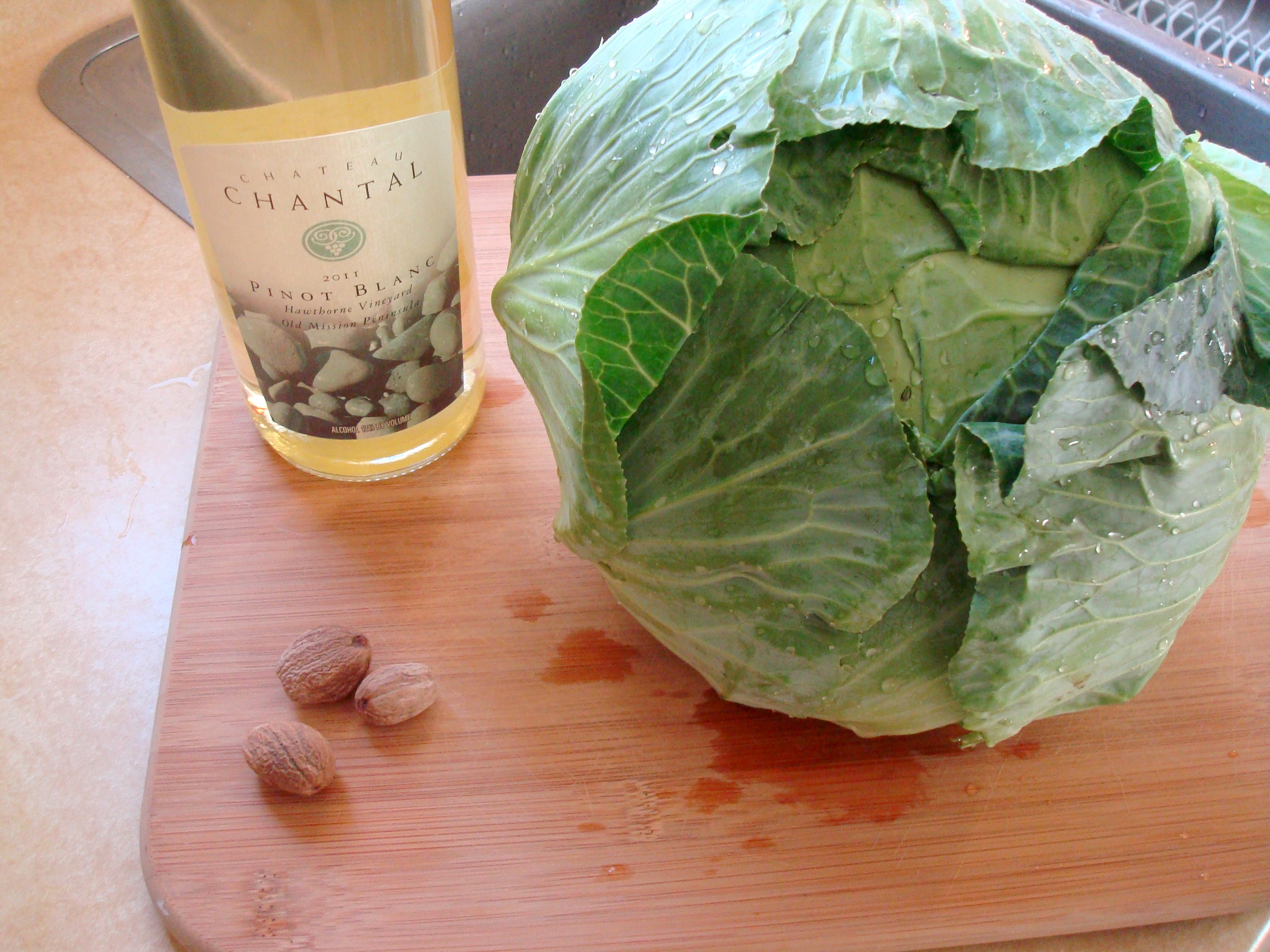
I love cabbage but apart from making coleslaw a few times I haven’t really done much with it so decided to seek out a new way to prepare it and in the process could not decide between two different recipes in the same Mark Bittman cookbook so opted instead to make both.  Since the head of cabbage was so large I chopped it in half and had plenty to use with each recipe.

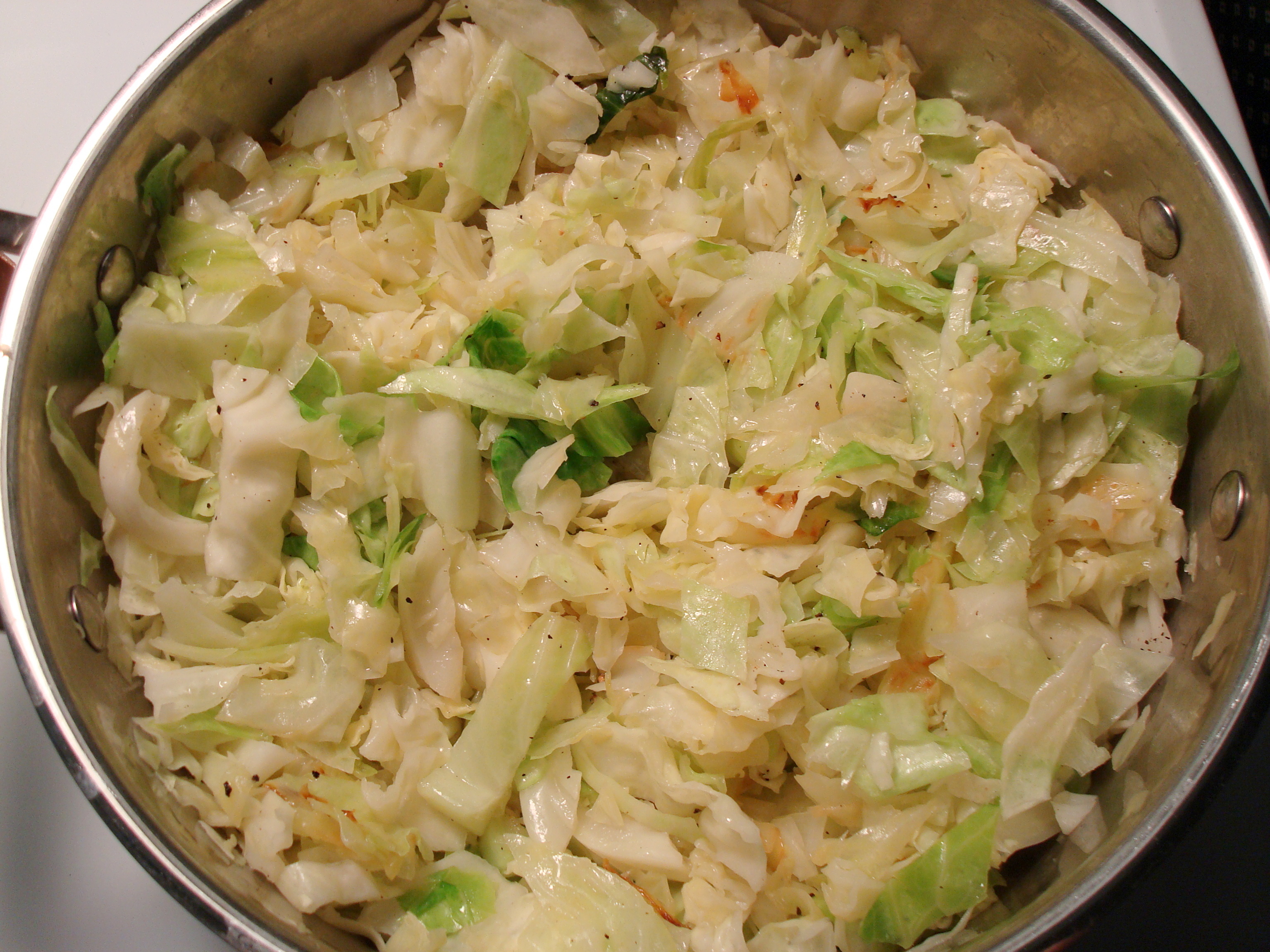
I braised the cabbage two ways, first with wine and nutmeg, and the next time with apples and cloves.  Both were very good but I think I prefer the wine and nutmeg method.  It had less ingredients so was a little simpler to prepare and also think it really complemented the flavor of the cabbage.  Of course if you are a person who likes savory and sweet together than the apples and cloves version is the way forward.  Just don’t pull the move that I did and think that if 3 cloves are good than 5 must be great because they for sure overpowered the dish… lesson learned!

Braised Cabbage with Wine and Nutmeg (from “How to Cook Everything” by Mark Bittman)

  • 2 tablespoons olive oil or butter
  • 1 head cabbage, preferably Savoy, about 1 ½ pounds, cored and shredded
  • Salt and freshly ground black pepper to taste
  • ½ cup white wine
  • 1 teaspoon brown sugar
  • ¼ teaspoon freshly grated nutmeg

Place the olive oil or butter in a large, deep skillet that can later be covered, over medium heat.  Add the cabbage and stir until it begins to brown, about 5 minutes.

Add salt and pepper, then the wine; let the wine bubble away for a few moments, then add the sugar and nutmeg.  Cover and simmer until tender, about 15 minutes.  Check the seasoning and serve.

Cabbage Cooked with Apples (from “How to Cook Everything” by Mark Bittman)

  • 2 tablespoons butter
  • 2 pounds Savoy or other cabbage, trimmed and shredded
  • 1 to 1 ½ pounds sweet apples, peeled, cored, and cut into chunks
  • 3 cloves
  • ½ cup chicken or vegetable stock, or not-too-dry white wine, apple cider, or water, plus more if needed
  • 2 tablespoons apricot or raspberry jam or currant jelly
  • Salt and freshly ground black pepper to taste
  • 1 tablespoon freshly squeezed lemon juice or cider vinegar

Melt the butter over medium heat in a large, deep skillet, saucepan, or casserole.  Add the cabbage, apples, and cloves and cook, stirring until the cabbage is glossy, about 3 minutes.

Add the liquid, turn the heat to medium-low, cover, and cook, stirring occasionally, for 30 minutes or more, until the cabbage is tender and the apples have fallen apart.  If the mixture dries out, add a little more liquid.

Stir in the jam or jelly and season with salt and pepper.  Add the lemon juice or vinegar a few drops at a time, tasting after each addition, until the sweetness of the cabbage and ales is balanced by a nice hint or acidity.  Discard cloves and serve.